A Roman blind is a single panel of fabric that hangs flat when lowered and folds into neat, horizontal pleats when raised. It gives a window the softness of fabric without the fullness of curtains, and it stays within the window area rather than stacking to the sides. That combination suits many living rooms and bedrooms, and it also explains the main trade-offs: the fabric needs more care than a wipe-clean blind, and the folded stack takes up space at the top of the window when the blind is up. Choosing the right fabric and lining, and getting the fit right for your recess, matters more than choosing the prettiest pattern alone.
What are Roman Blinds?
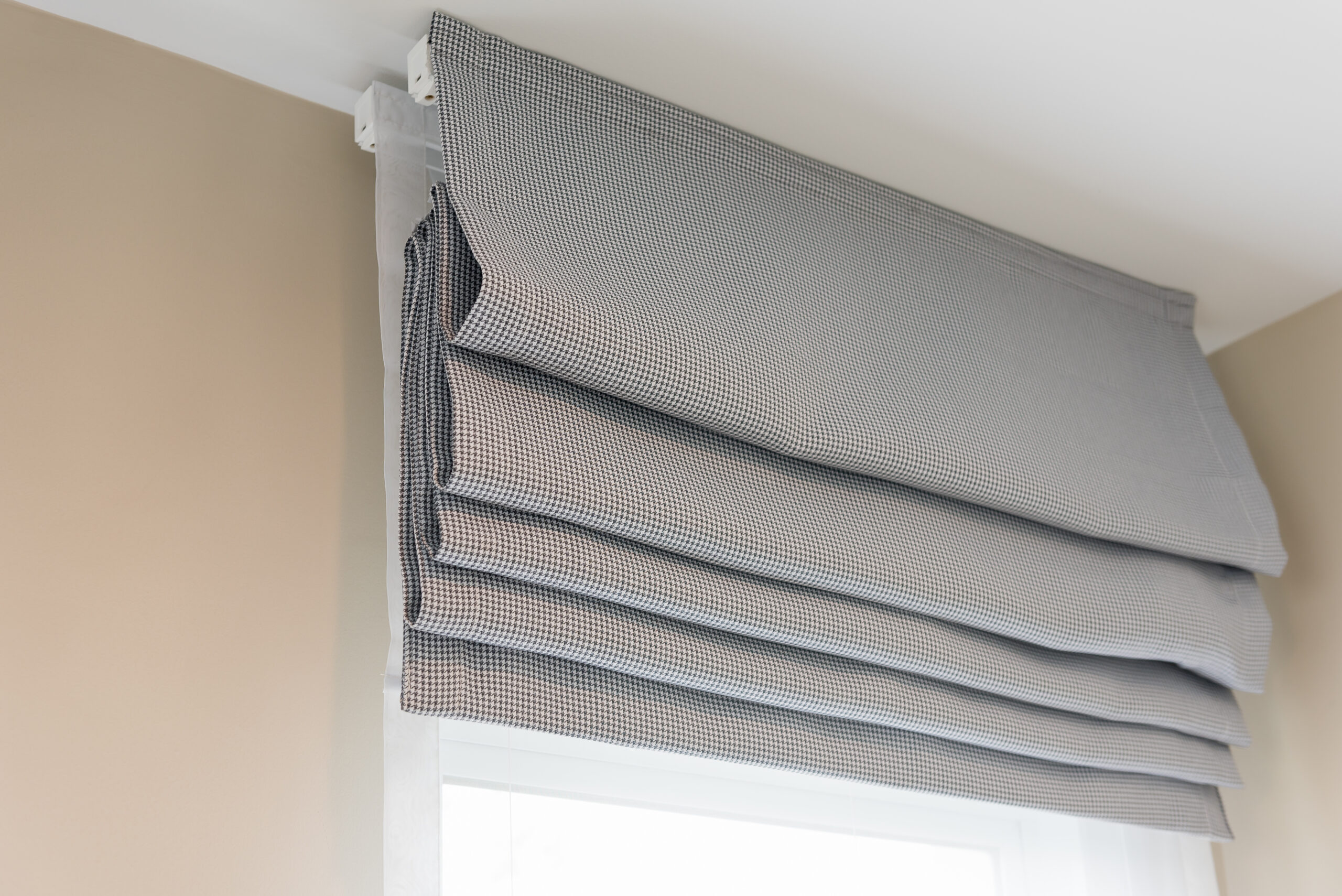
A Roman blind is made from a flat piece of fabric, supported by horizontal rods or tapes on the back. When you raise it, cords or a chain lift the fabric in even folds, one above the other, so the blind gathers at the top of the window. When you lower it, the folds open out again until the fabric hangs flat and covers the glass.
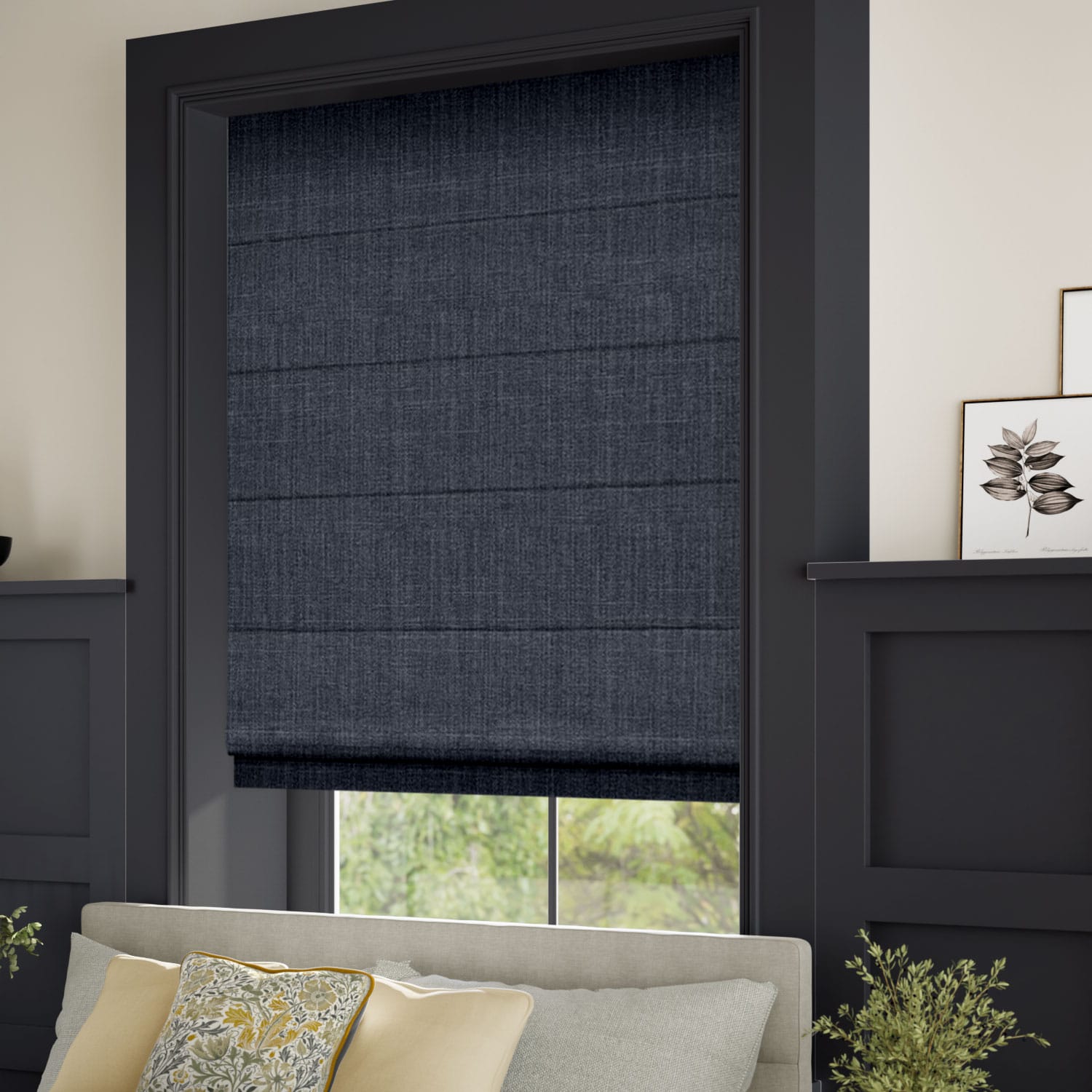
The front of the blind is what you see most of the time, so fabric choice has a large effect on the room. A plain linen-look fabric gives a calm, tailored finish. A patterned or textured fabric can act as a feature in itself, especially on a smaller window where the pattern is not broken up by furniture. Because the blind is visible even when raised, the folded stack becomes part of the look — some people like that soft pelmet effect, while others prefer a blind that disappears more completely.
Roman blinds are usually operated by a cord or a continuous chain. Cordless options are also available in general, and are worth asking about if you want to avoid loose cords, particularly in a home with young children or pets. Keep any cords or chains out of reach of children and pets, and discuss the operating option that suits your household at consultation.
What problems do they solve?
Roman blinds solve a common middle-ground problem: curtains can feel too heavy or take up too much wall space, while a plain roller blind can feel too flat or utilitarian for a room where fabric and pattern matter. A Roman blind adds texture, colour and a finished edge to a window without needing side stacking space.
They also help with everyday light and privacy needs. Lowered fully, a lined Roman blind covers the glass and blocks the view in. With the right lining, it can darken a bedroom or reduce glare in a living room. Raised part-way, it can soften bright daylight while still giving some cover at eye level, although it does not offer the same fine, slat-by-slat adjustment as a Venetian blind.
For smaller rooms, or windows with furniture close by, the compact fit is useful. A Roman blind sits in or just in front of the recess, so it does not need the wall space that curtain stacking requires. That makes it a practical choice for a window above a chest of drawers, beside a wardrobe, or in a room where a curtain would catch on furniture.
Key Benefits
A soft, tailored look. The flat drop and even folds suit both traditional and contemporary rooms, depending on fabric.
A wide fabric choice. Plains, patterns, textures and colours allow the blind to match bedding, upholstery or wall colour.
Flexible light control through lining. Standard lining lets soft light through while giving daytime privacy; blackout lining blocks much more light through the fabric; thermal lining adds an extra layer at the window.
A neat fit for awkward spaces. Made-to-measure sizing suits windows that standard sizes do not fit well, including bays made up of separate sections.
Layering potential. A Roman blind inside the recess can sit beneath curtains hung outside the frame, giving extra darkness and a layered finish in a bedroom.
A visible feature when raised. The folded fabric at the top of the window can look intentional and dressed, rather than like a blind that has simply been pushed out of the way.
Where they work best
Living room
The living room is often the strongest room for a Roman blind. Fabric softens a large window, pattern can tie a scheme together, and the blind can be raised during the day for daylight and lowered in the evening for privacy. If the room faces a street, a lined fabric gives evening cover without the need for heavy curtains.
Bedroom
Bedrooms suit Roman blinds well, especially with a blackout lining. The lining reduces light coming through the fabric, which helps in the early summer mornings and for anyone who sleeps during the day. For the darkest result, fit and coverage matter as much as lining: light can still enter around the edges, particularly with an inside-recess fit. Fitting outside the recess, with the blind overlapping the frame, can reduce side gaps, but it needs enough clear wall space above and around the window. Layering with curtains is another way to improve darkness and to add warmth at the window.
Kitchen
A Roman blind can work in a kitchen, but position matters. It suits a window away from the sink and hob, where it is not regularly splashed and does not sit in steam. A flat-fold style is generally easier to keep tidy than a heavily gathered style, because there are fewer deep folds for dust to settle in. Near a sink, hob or kettle steam, a wipe-clean blind such as a roller blind is usually the more practical choice.
Bathroom
Bathrooms need the same caution, and more of it. A Roman blind can suit a well-ventilated bathroom with a window away from the bath or shower, particularly if the fabric is chosen with moisture in mind. In a small, steamy bathroom, or on a window directly above a bath, fabric is harder to keep fresh and may mark or deteriorate over time. In that case, a moisture-resistant roller blind or a Venetian blind is usually a better fit.
Patio and French doors
Roman blinds can be fitted to French doors and to narrow door glazing, where they give the same soft fabric finish as on a window. They need careful thought about movement: the blind must clear handles, must not swing freely when the door opens, and must not block the door handle or lock. Hold-down fittings can help keep the bottom of the blind close to the door. Very wide sliding doors are usually less suitable, because a single very wide fabric panel becomes heavy to lift and the raised stack can cover a large part of the opening.
Bay windows
Bay windows suit Roman blinds when each section is treated separately. A bay is rarely made of identical panes, so each blind should be sized for its own section, with angles and depths checked individually. Fabric can soften the angles of a bay and give a consistent look across the sections, while still allowing each blind to be raised or lowered on its own.
Conservatories
A conservatory can suit Roman blinds on side windows where fabric adds softness to a room that can otherwise feel hard and bright. Roof glazing, very large panes and strong, prolonged sun need more caution: fabric fades and heats up, and a Roman blind does not give the same ventilation or glare control as a blind designed for roof windows.
Privacy and light control
Privacy and light control depend on three things: fabric, lining and fit. An unlined or lightly lined Roman blind gives daytime privacy in the sense that it softens the view in, but it will not give full privacy at night when interior lights are on and the room is brighter than outside. A lined fabric gives more cover, and a blackout lining gives the most through the fabric itself. Even with blackout lining, some light may show around the edges, so if near-darkness matters, talk about inside versus outside fitting and about layering with curtains.
During the day, a Roman blind is raised or lowered as a whole panel. It does not tilt like a Venetian blind, so you cannot keep the top open for daylight while keeping the bottom closed for privacy, unless a specific top-down or bottom-up option is available for your chosen product. If you need both daylight and privacy at the same time on a street-facing window, a Venetian blind or a layered approach may suit you better.
Thermal performance and energy efficiency
A Roman blind adds a layer of fabric at the window, and a thermal lining or a bonded interlining adds another layer. That extra material can help a room feel less draughty at the window and can reduce heat moving through the glass, particularly in winter when the blind is lowered in the evening. The effect depends on the fabric weight, the lining, how closely the blind fits the recess, and the glazing itself.
Thermal lining is therefore best understood as a comfort measure rather than a guaranteed saving. It can make a room feel warmer at the window and can help keep heat in on cold evenings, but it should not be sold as a dramatic reduction in heating bills. If energy performance is your main priority, discuss glazing, draughts and fit alongside the blind.
Materials, fabrics, colours and finishes
Roman blind fabrics range from light cottons and linen-look weaves to heavier velvets and textured blends. Lighter fabrics drape neatly and suit a relaxed, contemporary room, but they may need a lining to give enough privacy and body. Heavier fabrics hang with more structure and can look more formal, but very thick fabrics become bulky when folded, so the raised stack grows deeper.
Colour and pattern should be chosen with the room, not just the window. A plain fabric in a colour drawn from bedding, cushions or upholstery tends to sit quietly in a room. A pattern works well when the rest of the room is fairly plain, or when you want the window to be the focal point. Remember that the back of the blind may be visible from outside when it is lowered, so a lining that looks tidy from the street is worth considering on a front-facing window.
Finishes include the fold style and any trim. A flat fold gives a clean, modern line and is easier to dust. A softer, more gathered fold gives a traditional, relaxed look but holds more dust in the folds. Trims, borders and braids can add detail, but they also add to cleaning and to the weight of the blind, so they suit a feature window better than a blind that is raised and lowered several times a day.
Made-to-measure vs ready-made
Ready-made Roman blinds are made to standard sizes and suit a straightforward window where the size matches closely and the recess is deep and square. They are a lower-cost starting point, but a poor size match shows quickly: a blind that is too narrow leaves light gaps, one that is too wide may not sit neatly in the recess, and one that is too long pools on the sill.
Made-to-measure Roman blinds are cut and finished to your window's width and drop, with your choice of fabric and lining. That matters most for bay windows, older windows that are not perfectly square, shallow recesses, windows with protruding handles, and rooms where you want a specific lining or operating side.
Things to consider before choosing
The raised stack. When a Roman blind is fully raised, the fabric folds into a stack at the top of the window. On a tall window, that stack is deeper than on a short window, and on a heavy or lined fabric it is deeper still. Inside the recess, the stack will cover the top portion of the glass and reduce daylight. Fitting the blind above the recess, so the stack sits clear of the glass when raised, keeps more daylight but needs clear wall space above the window.
Recess depth. A Roman blind needs enough depth inside the recess for the headrail, mechanism and folded fabric to sit without catching. Shallow recesses, inward-opening windows, protruding handles, tiles and window vents can all reduce the usable depth. If the recess is too shallow, fitting outside the recess is usually the better option.
Handles and obstructions. Check whether the blind will clear window handles when it is lowered, and whether it will catch on a handle when raised. Radiators below a window, a sill that projects, and furniture close to the window also affect the drop and the choice of inside or outside fitting.
Weight and width. Very wide Roman blinds are heavier to operate and may need to be split into two or more blinds. Splitting a wide window keeps each blind lighter and easier to raise, and it allows you to open one side while keeping the other covered.
Operation. Think about which side the cord or chain should be on, how often the blind will be used, and whether a cordless option would suit the room. A blind over a sink or behind furniture is harder to reach, so operating side and ease of use matter from the start.
Potential disadvantages — and when another blind may be better
Cleaning takes more effort. Fabric folds collect dust, and most Roman blinds need gentle vacuuming and spot cleaning rather than a quick wipe. If easy cleaning is your top priority, a roller blind is simpler to maintain.
They are less suited to wet or steamy rooms. Bathrooms, windows above sinks and kitchens with heavy steam can mark fabric over time. A wipe-clean blind is usually better there.
Light control is up-or-down, not tilt. If you want to angle light while keeping privacy, a Venetian blind gives finer control.
The raised stack reduces daylight. Inside a recess, the folded fabric covers the top of the glass. If a room is already short on light, an outside fit or a roller blind with a slimmer roll may suit better.
Very large windows can look heavy. A single large Roman blind can appear bulky when raised. Splitting the window or choosing a different blind type may give a lighter result.
Roman blinds compared with similar alternatives
| Roman blinds | Roller blinds | Curtains | |
|---|---|---|---|
| Look when raised | Soft folded fabric stack at the top of the window | Flat fabric rolled up, slim profile | Fabric stacks to the sides of the window |
| Look when lowered | Flat fabric panel, tailored and soft | Flat drop, clean and minimal | Full, draped fabric from rail to floor or sill |
| Light control | Up or down; lining sets how much light passes through | Up or down; fabric sets light filtering or blackout level | Open or closed; layering gives more options but needs more space |
| Privacy | Good when lowered and lined; edge gaps depend on fit | Good when lowered; wipe-clean fabrics suit kitchens and bathrooms | Good when closed, especially lined and full-length; needs overlap beyond the frame |
| Cleaning | Vacuum folds gently; spot clean; check fabric care label | Wipe or spot clean in most cases | Remove and wash or dry clean, depending on fabric |
| Best for | Living rooms, bedrooms, dining rooms, feature windows | Kitchens, bathrooms, utility rooms, modern minimal rooms | Bedrooms needing darkness, formal rooms, layering over blinds |
| Watch out for | Raised stack depth, fabric care, steam and splashes | Plainer finish, less pattern and texture choice | Needs wall space for stacking, heavier to launder |
In short, choose a Roman blind when you want the softness of fabric in a compact, tailored form. Choose a roller blind when easy cleaning and a slim profile matter more. Choose curtains when you want fullness, layering and the softest room feel, and you have the wall space for them to stack.
Measuring and professional fitting
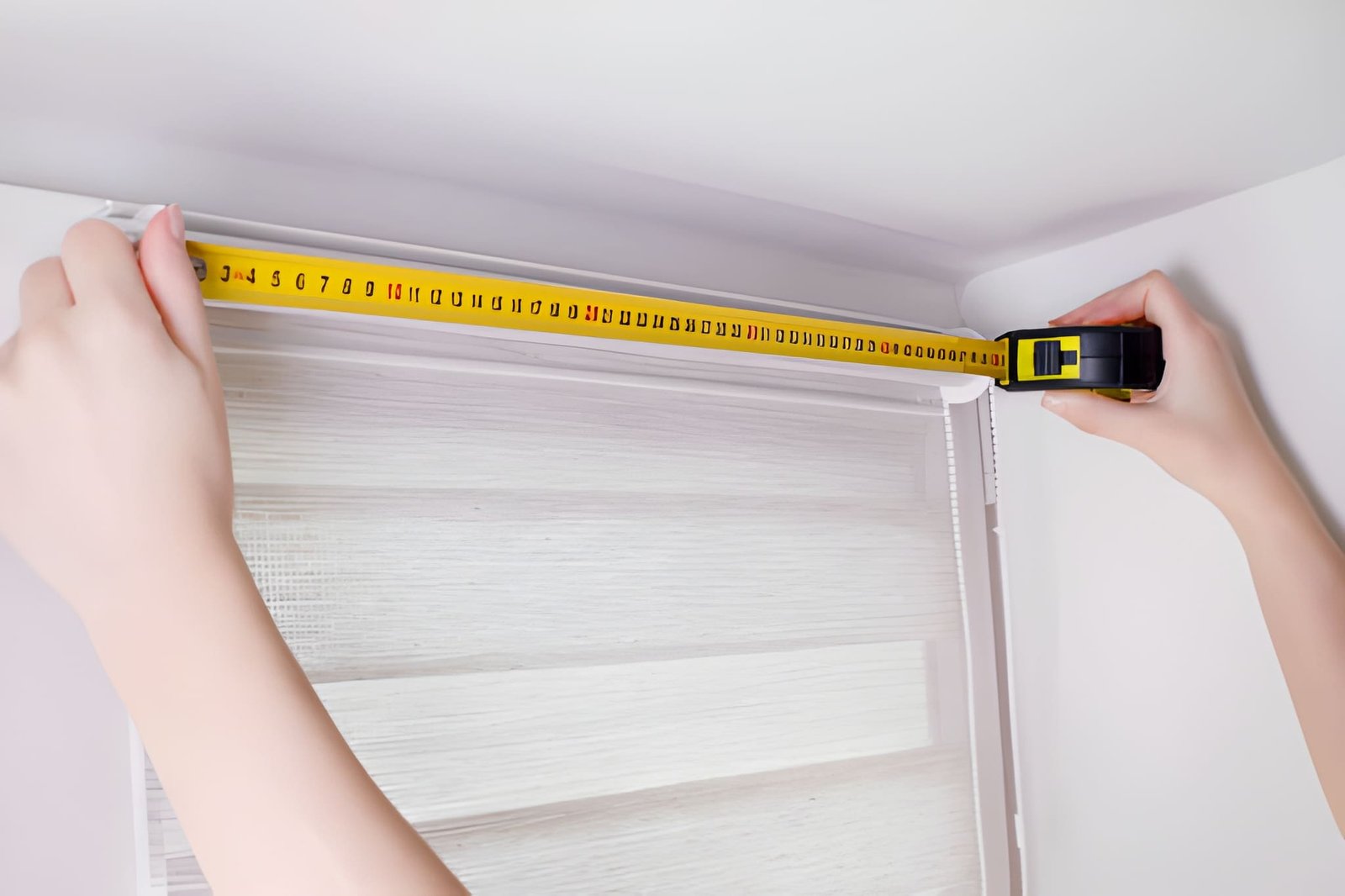
A good Roman blind starts with a careful measure. The process with Dream Blinds UK follows a simple order: consultation, choice, measurement, production and fitting. At the home consultation, you can see fabric and lining samples in your own light, rather than under shop lighting, and discuss which rooms need blackout, thermal or standard lining. Your fitter will check each window in turn — recess depth, handles, vents, sills, radiators and how the window opens — and will advise whether an inside or outside fit suits that window best. That advice matters for bay windows and French doors in particular, where a single standard approach rarely works.
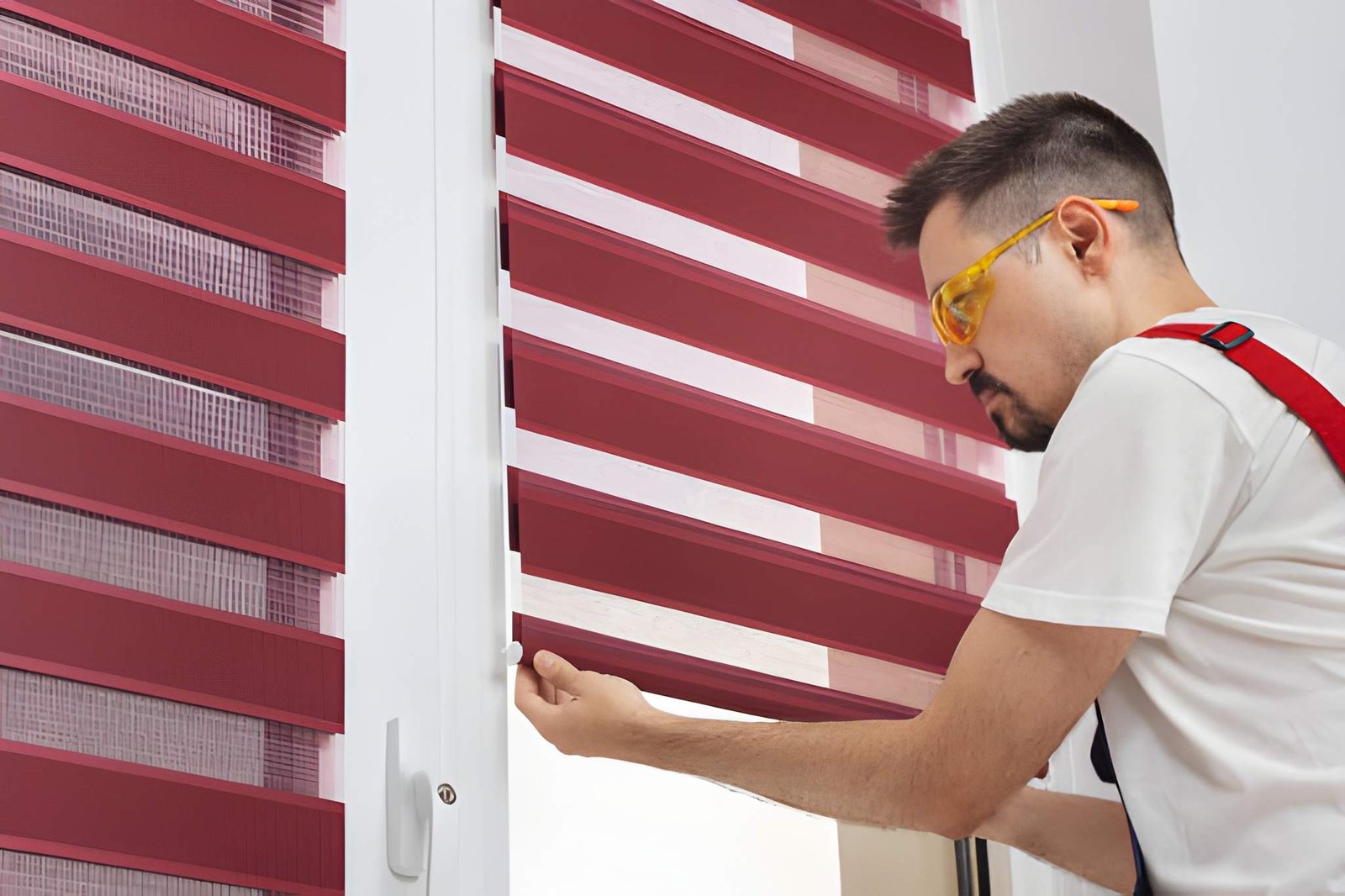
Once fabric and lining are chosen, measurements are taken for each blind individually, including each section of a bay. The blinds are then made to those measurements, rather than cut down from a standard size. At fitting, the headrail is fixed level, the blind is checked for even folding and smooth operation, and the operating side and cord or chain position are confirmed. Homes across Bradford and West Yorkshire can use this service to avoid the common problems of a blind that is slightly too wide for its recess or too long for its sill.
Cleaning and maintenance
Vacuum the front of the blind gently, using a brush or upholstery attachment, working from the top downwards and paying attention to the folds where dust settles. Support the fabric with your free hand if needed, and avoid harsh suction or a stiff brush that could distort the folds. For marks, spot clean promptly with a clean, damp cloth and a mild detergent solution, testing first on a hidden area. Dab rather than scrub, since rubbing can distort the weave and leave a mark. Allow the area to dry naturally before raising or lowering the blind repeatedly.
Most Roman blinds should not be machine washed, because the rods, tapes and headrail cannot be washed with the fabric without dismantling the blind, and reassembly can change how it folds. Always follow the care label for your specific fabric, and ask about professional cleaning for delicate fabrics such as silk or velvet. Regular light cleaning, rather than infrequent deep cleaning, is the simplest way to keep the folds even and the colour fresh.
Who should choose Roman blinds?
Roman blinds are a good choice if you want fabric softness and pattern, but do not want full curtains; the room is a living room, bedroom or dining room where the window is a feature; you want a blackout or thermal lining option for sleep or comfort at the window; your windows are non-standard, bay-shaped or awkwardly sized, and need made-to-measure sizing; you are happy with gentle vacuuming and spot cleaning, rather than needing a wipe-clean blind; you like the folded look of the blind when it is raised, and you have enough space above or inside the recess for the stack; or you plan to layer the blind with curtains in a bedroom for extra darkness and texture. If easy wipe-clean care, fine tilt control or a very slim raised profile matters more, a roller or Venetian blind may be the better choice for that particular window.
FAQs
What exactly is a Roman blind?
A Roman blind is a flat fabric panel that folds into horizontal pleats when raised and hangs flat when lowered. Rods or tapes on the back create the even folds, and a cord or chain operates the lift. It sits within or just in front of the window recess, giving a tailored fabric finish without the side stacking space that curtains need.
Do Roman blinds block out light?
They reduce light through the fabric according to the lining chosen. A standard lining softens daylight while keeping some glow, while a blackout lining blocks much more light through the fabric itself. Light may still enter around the edges, so fit matters. An outside-recess fit with overlap, or layering with curtains, usually gives a darker result than an inside fit alone.
Are Roman blinds good for bedrooms?
Yes, particularly with a blackout lining. They give evening privacy, reduce early-morning light through the fabric, and look soft and finished in a bedroom. For the darkest room, discuss edge gaps and whether an outside fit or a curtain layer would help, especially on a street-facing window or for daytime sleep.
Can I put Roman blinds in a kitchen?
Yes, if the window is away from the sink, hob and heavy steam. A flat-fold fabric is easier to keep tidy than a deeply gathered style. Near splashes, steam or cooking grease, fabric is harder to keep fresh, so a wipe-clean roller blind is usually more practical for that window.
Are Roman blinds suitable for bathrooms?
They can suit a well-ventilated bathroom with a window away from the bath or shower, but they are not the best choice for a small, steamy bathroom or a window directly over a bath. Moisture can mark fabric over time. For those windows, a moisture-resistant roller blind or Venetian blind is generally easier to maintain.
Should Roman blinds go inside or outside the recess?
Inside the recess gives a neat, tidy finish and keeps the blind within the window frame, but the raised stack will cover the top of the glass. Outside the recess gives more coverage, can reduce side light gaps, and lets the stack sit clear of the glass if fitted high enough. The right choice depends on recess depth, handles, light levels and how much wall space is available.
How do I clean Roman blinds?
Vacuum gently with a brush or upholstery attachment, working top to bottom and into the folds, and spot clean marks promptly by dabbing with a damp cloth and mild detergent. Test any cleaner on a hidden area first and do not scrub. Most Roman blinds should not be machine washed, so follow the fabric care label.
What is the difference between standard, blackout and thermal lining?
Standard lining gives the blind body and softens light while keeping daytime privacy. Blackout lining is designed to block light through the fabric and suits bedrooms and rooms where darkness matters. Thermal lining adds an extra insulating layer at the window for comfort. Some products combine qualities, so ask which lining best matches the room's light, privacy and comfort needs.
Are Roman blinds good for bay windows?
Yes, when each section of the bay is measured and made separately. Bays often have different pane widths and angles, so a single blind rarely fits well. Separate Roman blinds give a consistent fabric look across the bay while letting you raise or lower each section independently.
Can Roman blinds be used on French doors?
They can, on French doors and narrow door glazing, provided handles, locks and door swing are checked. Hold-down fittings can keep the blind close to the door, and the operating side should be easy to reach. Very wide sliding doors are usually less suitable, because a single wide panel is heavy and the raised stack covers much of the opening.
Are Roman blinds more expensive than roller blinds?
In general, yes, because of fabric, lining and made-to-measure finishing, although the final cost varies with size, fabric and lining choice. A roller blind is usually simpler and lower cost, while a Roman blind is chosen for its fabric finish and pattern range. A quote based on your actual windows is the only reliable comparison for your home.
Do Roman blinds work in a conservatory?
They can work on conservatory side windows, where fabric softens a bright room. Roof glazing and very large, sun-exposed panes need more caution, since fabric can fade and a Roman blind does not control roof glare in the same way as a roof-specific blind.