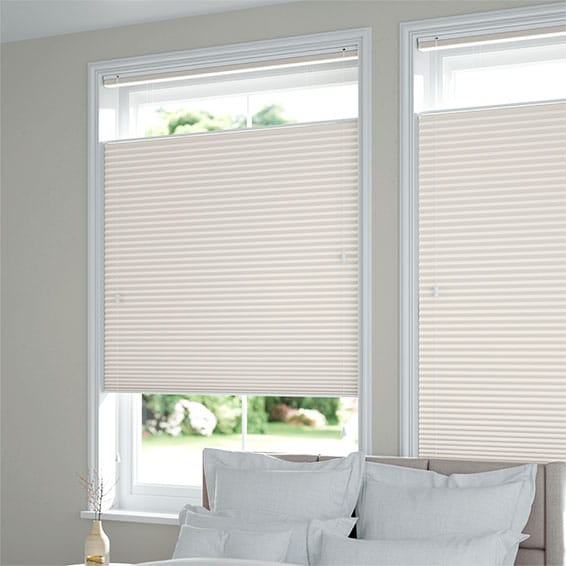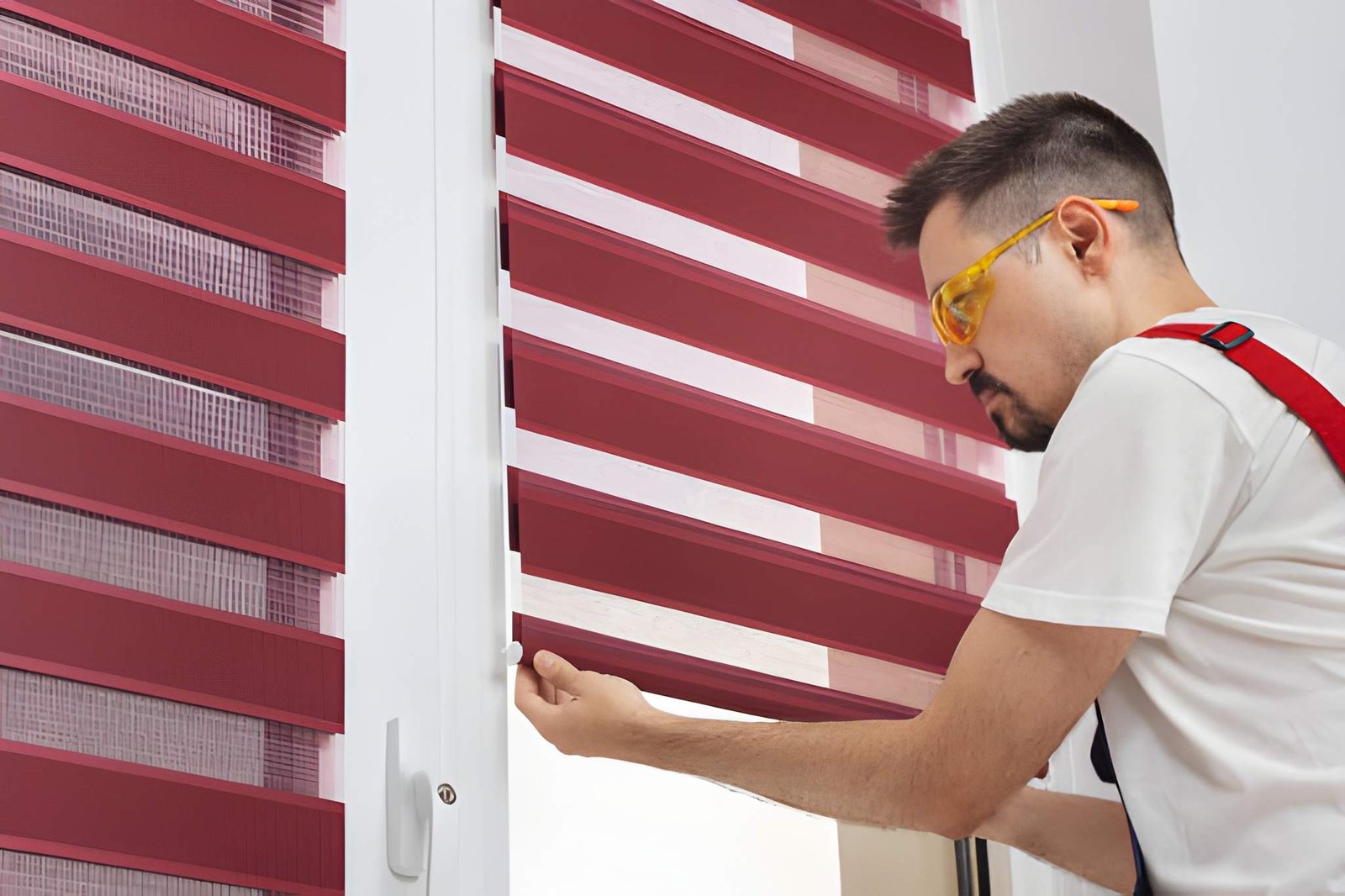
A pleated blind is a single sheet of fabric folded into even, concertina-style pleats. When raised, it gathers into a slim stack at the top of the window; when lowered, it gives soft, even shading without the bulk of a curtain or the hard lines of slats. That simple structure is why pleated blinds suit so many homes: they sit close to the glass, take up little space, and can be made for windows that standard blinds struggle with, including conservatory roofs, skylights and shaped glazing. The right choice, though, depends on the fabric. A sheer pleated blind and a blackout pleated blind behave very differently, so it helps to choose for light, privacy and heat — not for looks alone.
What Are Pleated Blinds?
Pleated blinds, sometimes called plissé blinds, are made from one continuous piece of fabric that has been permanently folded into crisp, horizontal pleats. The fabric is held between a top rail and a bottom rail, with cords running through it to hold it in place and let it stop at different heights.
Unlike a roller blind, there is no tube for the fabric to wind around. That is one reason a raised pleated blind stacks so neatly and leaves most of the glass clear. Unlike a Venetian blind, there are no slats to tilt. Light control comes from where the blind sits on the window and how much light the fabric itself lets through.
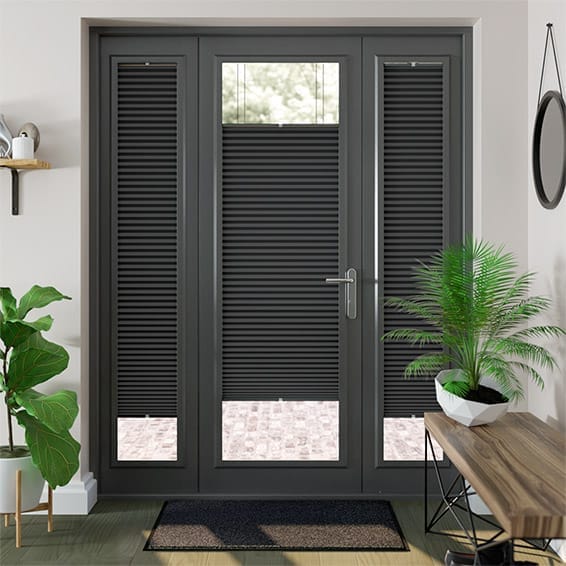
Some pleated blinds are free-hanging, fitted inside or just outside the recess. Others use a frame system, often called Perfect Fit, which clips into the window frame so the blind sits close to the glass and moves with the window or door when it opens. Tensioned versions are used for sloping or overhead glazing, where cords and side guides help hold the fabric in position rather than letting it fall or swing.
Operation varies too. A standard blind is raised from the bottom. A top-down/bottom-up version can also be lowered from the top, which is useful when you want daylight at the top of the window and privacy at the bottom. Cordless and motorised options are available for some systems, which can help with hard-to-reach roof windows and with keeping cords out of the way in homes with children or pets.
What Problems Do They Solve?
Pleated blinds are often chosen when the window itself is the problem. A conservatory roof, a triangular gable window, a sloping skylight or a bay made of several panes can all be difficult to dress with a standard rectangular blind. Because pleated fabric can be made to shape and held under tension, it can follow glazing that a roller blind or curtain cannot cover neatly.
They also solve everyday light problems. In a south-facing room, a light-filtering pleated fabric softens glare while keeping the room bright. In a street-facing room, a denser fabric gives privacy without shutting out daylight completely. In a bedroom, a blackout fabric cuts most incoming light, although it is worth understanding the limits of that claim — see the privacy section below.
Their slim profile helps in smaller rooms and on doors. A pleated blind fitted close to the glass does not jut into the room, catch on furniture, or swing when a French door is opened. When raised, the compact stack keeps the view clearer than a Roman blind, whose folds take up more of the window.
Key Benefits
Slim when raised. The concertina folds compress into a narrow stack, leaving more glass visible than many fabric blinds.
Close to the glass. The blind sits neatly within or against the frame, which suits doors, tilt-and-turn windows and shallow recesses.
Flexible light control. Sheer, light-filtering, dim-out and blackout fabrics cover a wide range, from soft daylight to a darker room.
Top-down/bottom-up option. Lower the top for daylight while keeping the lower half covered for privacy — particularly useful on ground-floor windows.
Made for awkward shapes. Triangular, angled and conservatory roof glazing can often be fitted where a standard blind cannot.
Soft appearance and wide choice. The folded fabric adds texture without the weight of curtains, in plain, patterned and textured fabrics, with rail finishes chosen to sit quietly against the frame.
Where They Work Best
Living rooms
A light-filtering pleated blind is a good middle ground: it softens strong sun and gives daytime privacy while keeping the room bright. For a room used for watching television, a denser fabric helps reduce glare. Because the stack is slim, the blind does not dominate the window when it is raised.
Bedrooms
Bedrooms benefit most from a blackout or dim-out pleated fabric, especially on east-facing windows or where street lighting comes in at night. Choose the fabric with the fit in mind: a blind fitted inside the recess will still allow some light around the edges, and some light can show through cord holes in a single-layer pleated fabric. If near-total darkness matters, discuss side channels, an outside-recess fit or layering with curtains at the consultation stage.
Kitchens
Pleated blinds can work in a kitchen, but placement matters. A window well away from the hob and sink, fitted with a fabric that is easy to wipe, is a reasonable choice. Directly above a hob or beside a sink, splashes, steam and cooking grease will mark fabric more quickly, and a wipe-clean roller or Venetian blind may be easier to live with.
Bathrooms
Bathrooms need a fabric suited to humidity. Some pleated fabrics are made to cope better with moisture, but no fabric blind is the best choice for a window that is constantly steamed up or regularly splashed. Good ventilation, a window that is not directly over a bath or shower, and a moisture-resistant fabric are the conditions that make a pleated blind workable here.
Patio and French doors
Pleated blinds suit hinged French doors and glazed doors well, particularly in a frame system that moves with the door and stays close to the glass. Sliding patio doors need more care: the blind must not interfere with the sliding track or stop the door from opening fully, so the door type and clearance should be checked before ordering. A vertical blind is often the more practical choice for a wide sliding opening.
Bay windows
A bay is not one window but several panes set at angles. Each section is normally measured and fitted individually, so each blind can be operated on its own. Pleated blinds work well here because they are slim and do not crowd the angles of the bay.
Conservatories, skylights and roof windows
This is where pleated blinds earn their place. Tensioned pleated blinds can be fitted to sloping conservatory roof glazing and skylights, held in position by cords and guides. Solar-reflective fabrics can reduce glare and some of the heat build-up in strong sun, while still letting in daylight. For roof blinds that are out of reach, motorised operation is worth considering.
Shaped and awkward windows
Triangular, trapezoidal and angled gable windows, as well as arched or unusually proportioned glazing, are a natural fit for made-to-measure pleated blinds. The fabric is cut to the shape of the opening, and the blind may be fixed in place rather than fully operable, depending on the shape. Confirm at the measuring visit what will move, what will stay fixed, and how the blind will be cleaned.
Privacy and Light Control
Privacy from a pleated blind depends on two things: the fabric and whether the blind is fully lowered. A sheer fabric gives daytime privacy by diffusing the view in, but at night, with lights on inside, outlines may still be visible from outside. A denser or blackout fabric gives stronger privacy once lowered.
Light control works in the same way. Light-filtering fabrics soften daylight and reduce glare without making the room dark. Dim-out fabrics cut much more light. Blackout fabrics block most light through the fabric itself, but they do not automatically make a room completely dark: light can still pass around the edges of the blind and, on some single-layer pleated blinds, through the small cord holes.
Top-down/bottom-up operation adds a useful middle setting. Lowering the top of the blind lets daylight in from above while the lower half stays covered — helpful for a ground-floor room facing a pavement, or a bathroom window where privacy matters at eye level but daylight is still welcome.
Thermal Performance and Energy Efficiency
A pleated blind can help a room feel more comfortable near the window, but its effect depends on the fabric and how closely it fits. A blind that sits close to the glass creates a layer between the room and the window, which can slow heat loss on a cold night and reduce glare and some solar heat gain on a sunny day. Reflective or solar fabrics are designed to reflect more sunlight than a plain fabric, which can help in a conservatory or south-facing room.
It is important to keep this in proportion. A standard single-layer pleated blind is not the same as a honeycomb, or cellular, blind. Honeycomb fabric has two layers forming air pockets, and that structure provides a stronger insulating effect than a single pleated layer. If reducing heat loss through the window is the main priority, a honeycomb fabric or another insulating option may be the better recommendation. No blind on its own should be sold as a way to cut heating bills by a set amount.
Materials, Fabrics, Colours and Finishes
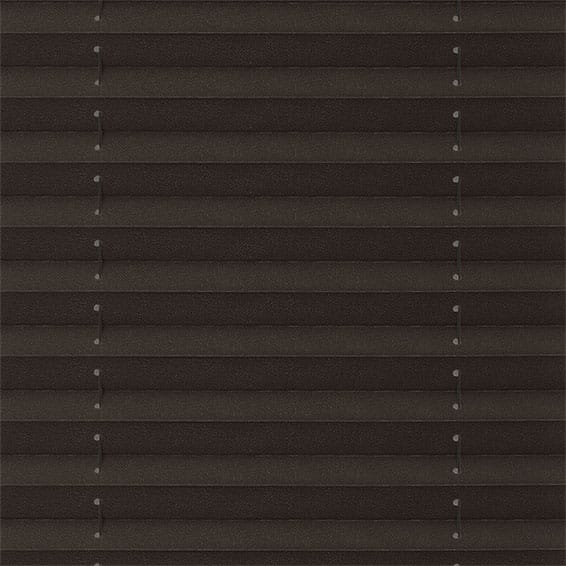
Most pleated blind fabrics are polyester-based, chosen because the pleats hold their shape and the fabric stays light and easy to operate. Within that range, the differences that matter are opacity, texture and any special backing or coating: sheer and voile-type fabrics; light-filtering fabrics for living rooms and conservatories; dim-out fabrics; blackout fabrics for bedrooms and media rooms; solar and reflective fabrics for strong sun; and moisture-resistant fabrics for kitchens and bathrooms.
Colours range from whites, creams and greys that sit quietly against a frame, through soft neutrals and muted tones, to stronger colours and subtle patterns. A lighter fabric will generally let a room feel brighter; a darker fabric will absorb more light and can make a small room feel more enclosed. Rail and frame finishes are usually chosen to match the window — white and anthracite are common for frame systems. Seeing samples against your own wall and in your own daylight, rather than on a screen, is the most reliable way to judge colour.
Made-to-Measure vs Ready-Made
Ready-made pleated blinds are made in standard sizes and suit a straightforward, standard window where the size happens to match. They can be a quick, lower-cost option, but any gap at the sides or a drop that does not quite reach the sill will show, and they cannot be made for triangular, bay or conservatory roof glazing.
Made-to-measure pleated blinds are cut and assembled to the exact window, including its shape, recess depth and any handles or obstructions. That matters most where fit affects performance: light leaking around the edges of a bedroom blind, a frame-fitted blind on a door that must clear the handle, or a tensioned blind on a sloping roof. Made-to-measure also opens up the full fabric range and operating options. The trade-off is time: a made-to-measure blind is produced after measuring, so it takes longer than picking a ready-made blind off the shelf.
Things to Consider Before Choosing
Start with the window, not the fabric. Note whether it opens, how it opens, where the handle sits, how deep the recess is, and whether anything — a radiator, a sill, a tiled wall — will get in the way of the bottom rail. For a door, check that the blind will not stop the door from opening or catch on the handle.
Next, decide what the blind has to do at different times of day. A living-room window may need glare control in the afternoon and privacy in the evening. A bedroom window may need darkness in the morning and a softer light later. A conservatory roof may need heat and glare control first, and privacy second.
Then think about operation and safety. If the window is out of reach, motorised or wand operation may be needed. If children or pets use the room, ask about cordless options and keep any cords out of reach. Finally, check cleaning: a blind in a kitchen or a room with pets will need more regular dusting than one in a rarely used spare room, and the fabric should suit that.
Potential Disadvantages — and When Another Blind May Be Better
Not total blackout on their own. Edge gaps and, on some single-layer fabrics, cord holes can let light through. If complete darkness is essential, a blackout roller blind, curtains, or a layered combination may do better.
Less insulation than honeycomb. A single-layer pleated fabric gives some thermal benefit, but a honeycomb blind will insulate more effectively.
Fabric and moisture. Standard pleated fabrics are not the easiest choice for a constantly wet bathroom or a window right beside a hob. A wipe-clean roller or Venetian blind may last better there.
Cleaning takes care. The folds collect dust, and the fabric needs gentle cleaning rather than vigorous scrubbing. Heavily soiled blinds are harder to restore than a flat roller blind.
Wide openings and fixed shapes. A very wide sliding patio door may be better served by a vertical blind. Some shaped blinds are fixed rather than fully operable, which may not suit a window you want to open and close daily.
Pleated Blinds Compared With Similar Alternatives
| Blind type | Best for | Watch out for |
|---|---|---|
| Pleated | Shaped, bay, conservatory and roof windows; slim stack; soft light control | Single-layer fabric insulates less than honeycomb; some light at edges and cord holes |
| Honeycomb / cellular | Rooms where insulation matters most; conservatories that feel cold in winter | Deeper stack when raised; can cost more than a standard pleated blind |
| Roller | Simple, wipe-clean shading; kitchens and bathrooms; a flat, minimal look | Needs headroom for the tube; less suited to shaped or sloping glazing |
| Venetian | Precise control of light angle; kitchens where a wipe-clean slat helps | Slats collect dust; heavier on wide windows; less suited to shaped glazing |
| Vertical | Wide sliding doors and large openings; easy walk-through access | Can look busy on a small window; vanes can swing in a draught |
| Roman | A softer, dressed look in living rooms and bedrooms | Deeper stack when raised; fabric folds need more care when cleaning |
Measuring and Professional Fitting
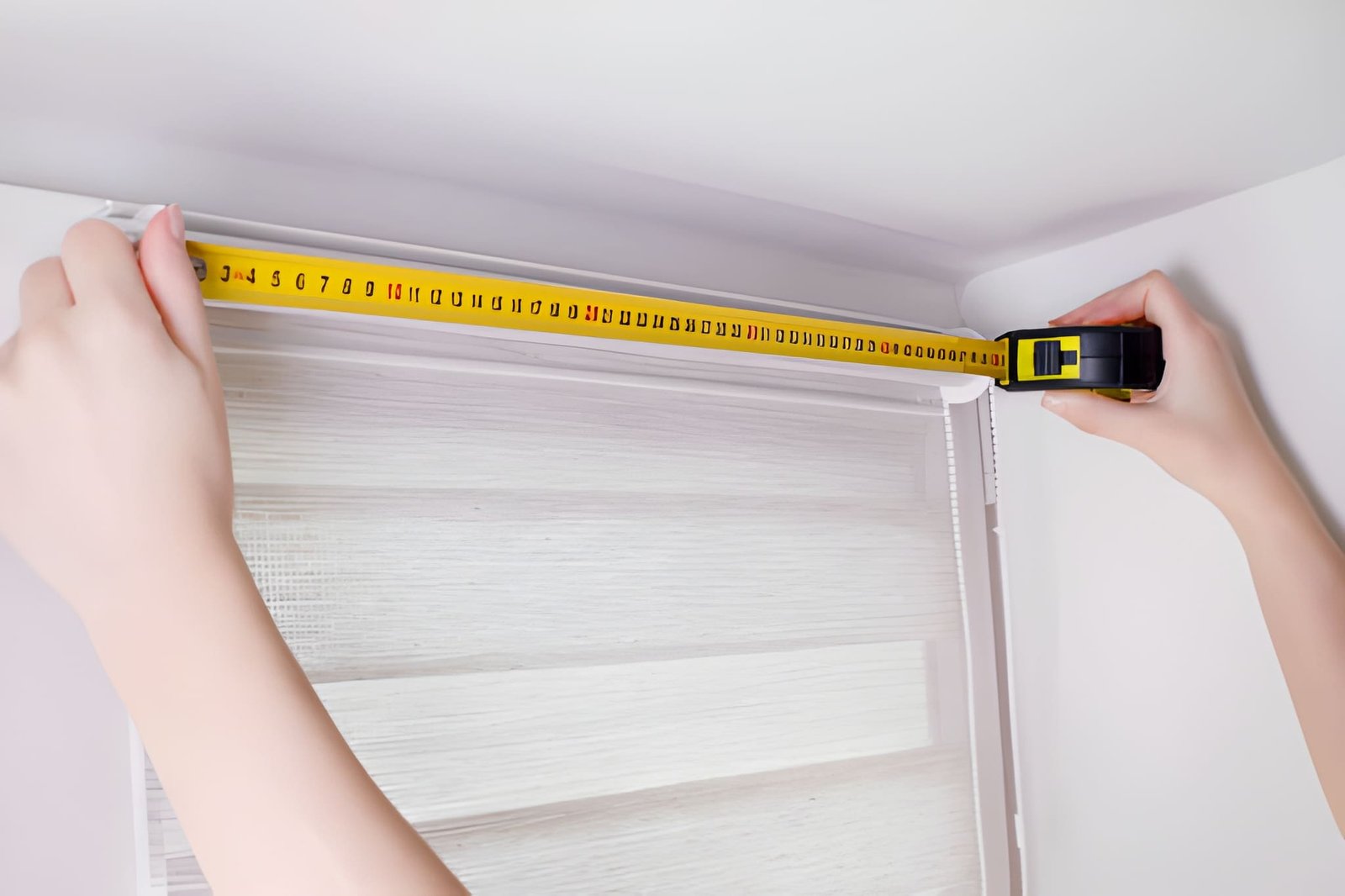
A good pleated blind starts with an accurate measure, because the fabric is made to that window and cannot be trimmed to fit afterwards. A professional visit usually follows a simple sequence: consultation (room, window, light, privacy, heat, operation, cleaning, before fabrics are chosen); choice (fabric opacity, colour, operation and fitting system confirmed together); measurement (each window individually, including every pane of a bay, recess depth, handle position, obstructions and, for sloping glazing, the angle of the glass); production (made to the agreed measurements); and fitting (installed, checked for smooth operation, and shown to you in use).
For homes in Bradford and West Yorkshire, Dream Blinds UK offers a home consultation and measurement service, so these checks are done in the room rather than estimated from a phone description. If you are measuring yourself for a standard blind, the usual approach is to measure width and drop in several places and work from the smallest width, but shaped, bay and roof windows are best left to a professional measure.
Cleaning and Maintenance
Pleated blinds are low-maintenance rather than maintenance-free, and the folds need a gentle touch. Dust regularly with a feather duster, a soft brush or a vacuum cleaner on a low setting with an upholstery attachment, working from the top down. For a mark, dab lightly with a clean, damp cloth and plain water, following the fabric care guidance for your blind. Avoid rubbing the fabric, soaking it, or using strong chemicals or stain removers. Let the blind dry fully before raising it, and keep it lowered or in its normal position while it dries so the pleats keep their shape. Some frame-fitted blinds can be unclipped for cleaning, which helps on doors and conservatory windows.
Who Should Choose Pleated Blinds?
Pleated blinds are a good choice if you have a conservatory, skylight, roof window or shaped window that a standard blind cannot cover neatly; want a slim, soft-looking blind that leaves most of the glass clear when raised; need flexible light control — daylight at the top, privacy at the bottom — on a ground-floor or street-facing window; have a bay window and want each pane fitted and operated individually; have French or hinged glazed doors and want a blind that moves with the door; or want a wide choice of fabrics, from light-filtering to blackout, without the bulk of curtains. If your priority is the darkest possible bedroom, the warmest possible conservatory, or a blind that can be scrubbed clean beside a hob, compare a pleated blind with the alternatives above before deciding.
FAQs
What is a pleated blind?
A pleated blind is a single sheet of fabric folded into even, concertina-style pleats, held between a top and bottom rail. It raises into a slim stack and lowers to cover the window. It has no slats and no roller tube, which is why it sits close to the glass and suits shaped, bay and conservatory windows as well as standard ones.
Are pleated blinds good for conservatories?
Yes, they are a common choice for conservatories, especially for roof and sloping glazing. Tensioned pleated blinds can be held in position on angled glass, and solar-reflective fabrics can reduce glare and some heat build-up. The fabric and system should still be matched to the specific roof pitch, glazing and ventilation.
Do pleated blinds block out light completely?
Not completely on their own. A blackout fabric blocks most light through the fabric, but light can still enter around the edges of the blind and, on some single-layer pleated blinds, through small cord holes. For the darkest result, discuss fit, side channels or layering with curtains at the measuring visit.
Can pleated blinds fit shaped or triangular windows?
Often, yes. Made-to-measure pleated blinds can be cut to triangular, trapezoidal and angled shapes, including gable windows. Some shaped blinds are fixed rather than fully operable, so confirm before ordering whether the blind will move, how it will operate, and how it can be cleaned.
What is the difference between pleated and honeycomb blinds?
A pleated blind uses one layer of folded fabric. A honeycomb, or cellular, blind uses two layers that form air pockets. Those pockets give honeycomb blinds a stronger insulating effect. Pleated blinds are slimmer and often simpler, but for a room where warmth is the main concern, honeycomb is usually the better comparison.
Are pleated blinds suitable for bedrooms?
Yes, particularly with a dim-out or blackout fabric. They give privacy when lowered and a softer look than a flat roller blind. If you are a light sleeper or the room faces street lighting, check the fit and edge gaps carefully, as these affect how dark the room will actually be at night.
Can I use pleated blinds in a kitchen or bathroom?
They can work in both, with conditions. Choose a fabric suited to moisture, keep the blind away from direct splashes, steam and cooking grease, and make sure the room is ventilated. For a window directly over a hob, bath or shower, a wipe-clean roller blind or shutter may be more durable.
Do pleated blinds work on patio and French doors?
They work well on hinged French and glazed doors, especially in a frame system that moves with the door and stays close to the glass. Sliding patio doors need a clearance check, as the blind must not block the track or stop the door from sliding fully. A vertical blind may suit a wide sliding opening better.
What is top-down/bottom-up operation?
It lets you lower the top of the blind as well as raise the bottom. You can open the upper part of the window for daylight while keeping the lower part covered for privacy. This is useful on ground-floor windows facing a pavement or road, and on bathroom windows where privacy at eye level matters.
Are pleated blinds easy to clean?
They are straightforward if cleaned regularly. Dust with a soft brush, feather duster or vacuum on a low setting, and dab marks lightly with a damp cloth and plain water. Avoid rubbing, soaking or using strong chemicals. Heavily soiled fabric is harder to restore, so regular light cleaning is better than leaving dust to build up in the folds.
Are there cordless pleated blinds?
Cordless and motorised options are available for some pleated blind systems. They are useful for skylights, for windows where cords would hang awkwardly, and for homes with children or pets, where keeping cords out of reach is important. Availability depends on the system and window type, so ask when choosing.